
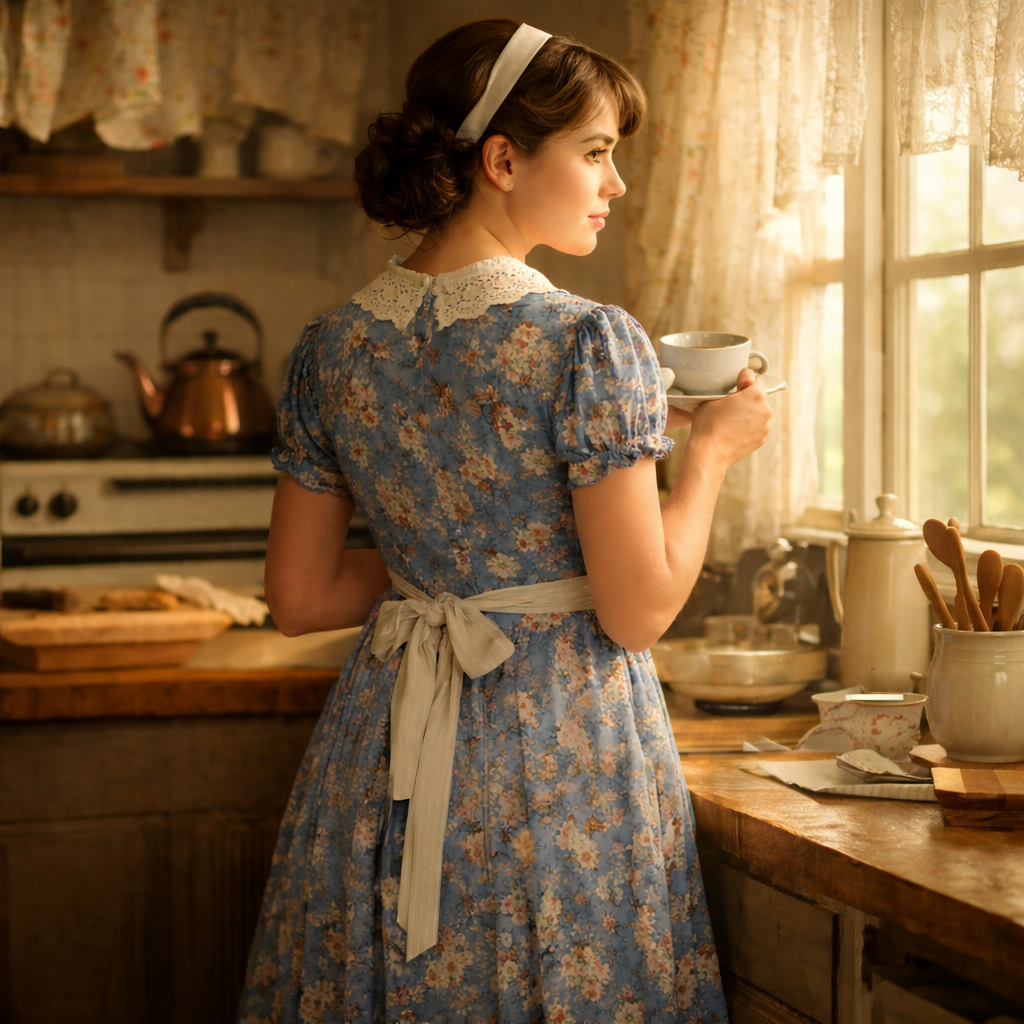
Tradwives Are No Longer Niche: They’re a Mainstream Lifestyle Trend
Scroll through TikTok or Instagram long enough and you’ll notice it: women proudly calling themselves tradwives, showcasing curated domestic lives built around being financially supported by their husbands. This isn’t framed as a throwback anymore; it’s presented as a modern lifestyle choice.
The tradwife lifestyle trend is no longer hiding in small online corners. It’s polished, algorithm-friendly, and increasingly normalized as an aspirational way to live.
What Does “Tradwife” Mean in 2025?
Today’s tradwives aren’t just stay-at-home wives. The trend often includes:
- Financial dependence on a husband
- Emphasis on traditional gender roles
- Rejection of hustle culture
- Aestheticized domestic labor
- Public opposition to modern feminism
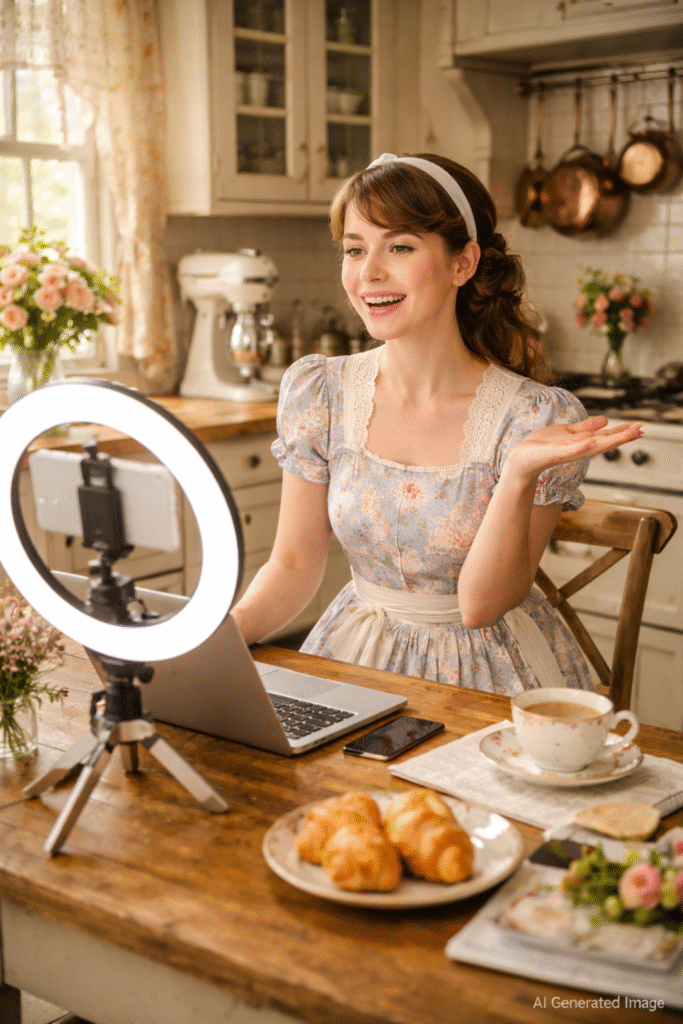
Unlike past generations, today’s tradwives document and broadcast their lives, often turning the lifestyle itself into content.
For a general overview of traditional gender roles, see:
https://en.wikipedia.org/wiki/Traditional_gender_roles
Why the Tradwife Lifestyle Is Gaining Popularity Right Now
This trend isn’t random. It’s emerging during a time of:
- Burnout culture
- Rising living costs
- Career disillusionment
- Mental health fatigue
For many, the tradwife image represents relief: a life without financial pressure, deadlines, or constant productivity. The idea of being “maintained” is framed as peace, not dependence.
But here’s the contradiction:
Many visible tradwives are earning money through social media, brand deals, and monetized platforms, meaning their independence exists behind the scenes.
The New York Times has explored how social platforms reshape modern identity and gender roles: https://www.nytimes.com/spotlight/gender
Empowerment or Repackaged Dependency?
Supporters argue that being a tradwife is about choice. Critics argue that the trend:
- Normalizes financial dependence
- Downplays risk and power imbalance
- Excludes women without wealthy partners
- Frames feminism as the problem
When a lifestyle only works under ideal conditions, it stops being universal and starts being selective.
The Guardian has published critical analysis on gender roles and modern femininity:
https://www.theguardian.com/lifeandstyle/women
The Aesthetic Is Soft — The Reality Is Not
What tradwife content rarely shows:
- What happens if the marriage ends
- What happens without personal income
- What happens when power shifts
- What happens to long-term autonomy
Why the Tradwife Trend Is Worth Questioning
There is nothing wrong with choosing domestic life or having a provider partner. The issue isn’t individual choice, it’s turning dependency into an ideal, especially when it’s packaged as universal empowerment.
The tradwife trend isn’t about the past returning.
It’s about the present rebranding old dynamics in modern language.
Final Thought
Tradwives are actively shaping today’s lifestyle conversation. Whether seen as freedom or limitation, the trend raises important questions about choice, power, and what modern independence really means.


It’s interesting how openly this lifestyle is being discussed now, especially with the rise of platforms like TikTok as the article mentions. I found some related discussion about societal expectations and roles on https://tinyfun.io/game/batman-revolutions, which offered another perspective.
How are you?